External research · BCG·14 August 2026
Enterprise AI Control Plane: the CIO’s guide to governing and accelerating AI agents
Enterprises are deploying AI agents faster than they can govern them. BCG argues for one governance layer above every platform, covering identity, an agent registry, runtime policy and pre-approved deployment paths, so teams can ship compliant agents in a day rather than weeks.
Read the external article →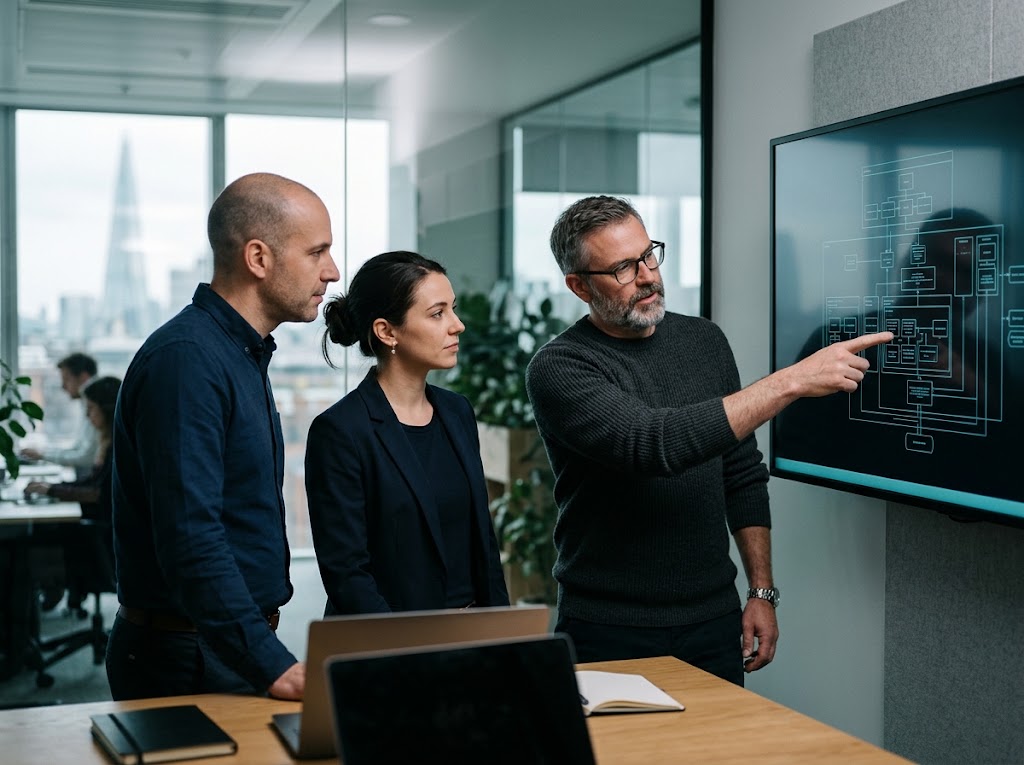
Perspective·28 October 2026
Modernisation is as much about people as technology
A modernisation is usually planned as a technology project. Whether it creates value depends on the people who know the old system, run it every day and will have to trust the new one.
Read the article →
Perspective·28 October 2026
Creating enterprise value in the AI age
It is easy to spend on AI without being able to show what it returned. Value comes from changing how critical work gets done, not from adopting tools, and it has to be planned and measured like any other investment.
Read the article →
Perspective·28 October 2026
From AI experiments to governed business workflows
Many organisations have tried AI. Fewer rely on it for everyday work. The difference is rarely the model. It is whether the task, the rules and the accountability were defined before anything was built.
Read the article →
Perspective·21 October 2026
The software tax: paying for change you did not choose
New research finds large enterprises spend 28% of their software budgets on vendor-driven upgrades they would not have chosen. The root cause is not the vendor. It is how little most organisations can see of what they run.
Read the article →
Research·12 June 2026
Paradym Next: early evidence from four projects
A preliminary review of four legacy modernisations found time and cost around 70% below a commercial estimate for traditional delivery. The sample is small, but the pattern held on every project.
Read the article →
Perspective·18 March 2026
AI writes code. People ship software.
AI has made writing code dramatically faster, but not delivering working systems. The human work before and after coding still decides the outcome, and that matters for anyone planning a modernisation.
Read the article →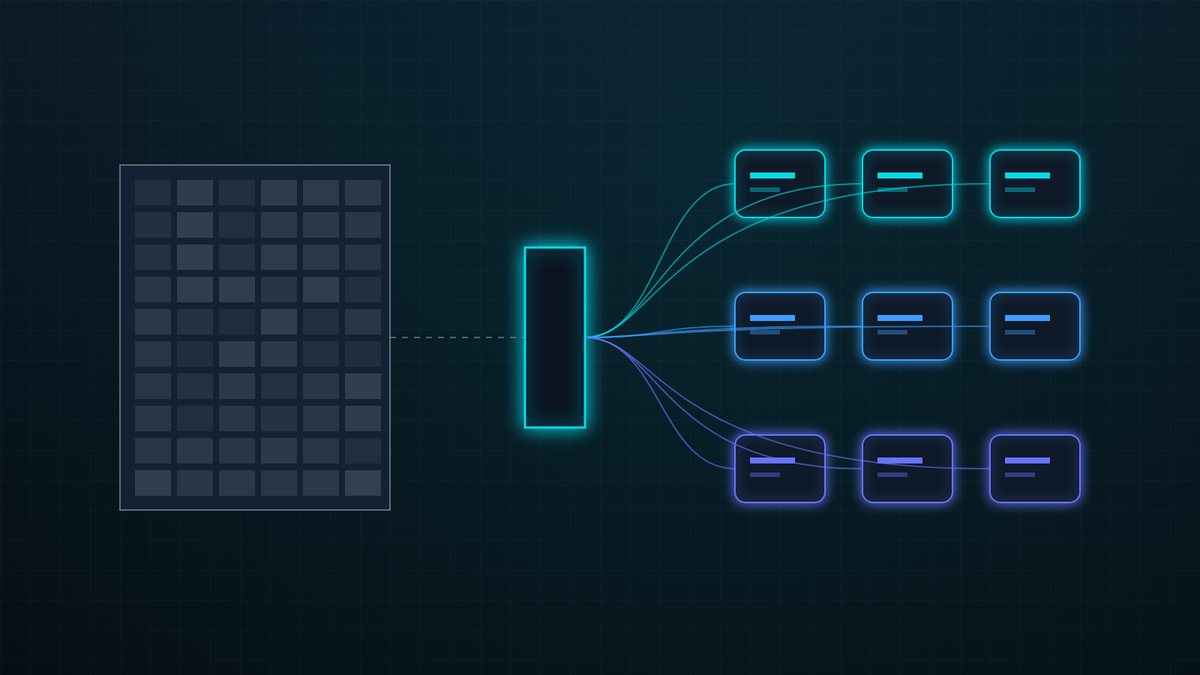
Case study·9 January 2026
Case study: modernising a legacy monolith
Paradym Next replaced an ageing Java 8 and Spring Boot monolith with a serverless platform, built while the original system kept running and without losing years of embedded business logic.
Read the article →
Perspective·30 October 2025
The economics of technology modernisation: why the calculus has changed
Professional software acquirers have historically avoided large-scale technology modernisation initiatives. Legacy technology stacks have been treated as operational constraints to be managed, rather than strategic liabilities to be eliminated.
Read the article →
Perspective·21 October 2025
Your engineers make or break a modernisation
In an outsourced modernisation, the incumbent engineering team is both the most valuable asset and the biggest risk. They hold knowledge the code does not, and they are easily unsettled when work moves to a provider.
Read the article →
Perspective·28 September 2025
The invisible crisis: how technical debt is silently killing your business
While most executives recognise the direct costs of technical debt—maintenance expenses and sluggish development—the truly dangerous costs remain hidden, silently eroding your company’s foundations.
Read the article →
Perspective·23 August 2025
AI is redefining software development roles and business models
For decades, software development has followed a relatively stable trajectory. That paradigm is now collapsing.
Read the article →
Perspective·2 August 2025
Accelerating modernisation: a guide for SaaS leaders
Is your business being held back by outdated legacy systems? You’re not alone. Many successful SaaS companies find themselves trapped by the very software that once drove their growth.
Read the article →
Perspective·13 July 2025
Code red flags: spotting AI-generated code in M&A tech due diligence
In the rapidly evolving tech acquisition landscape, a new challenge has emerged for due diligence teams: evaluating the quality, security, and sustainability of AI-generated code.
Read the article →