

AI writes code. People ship software.
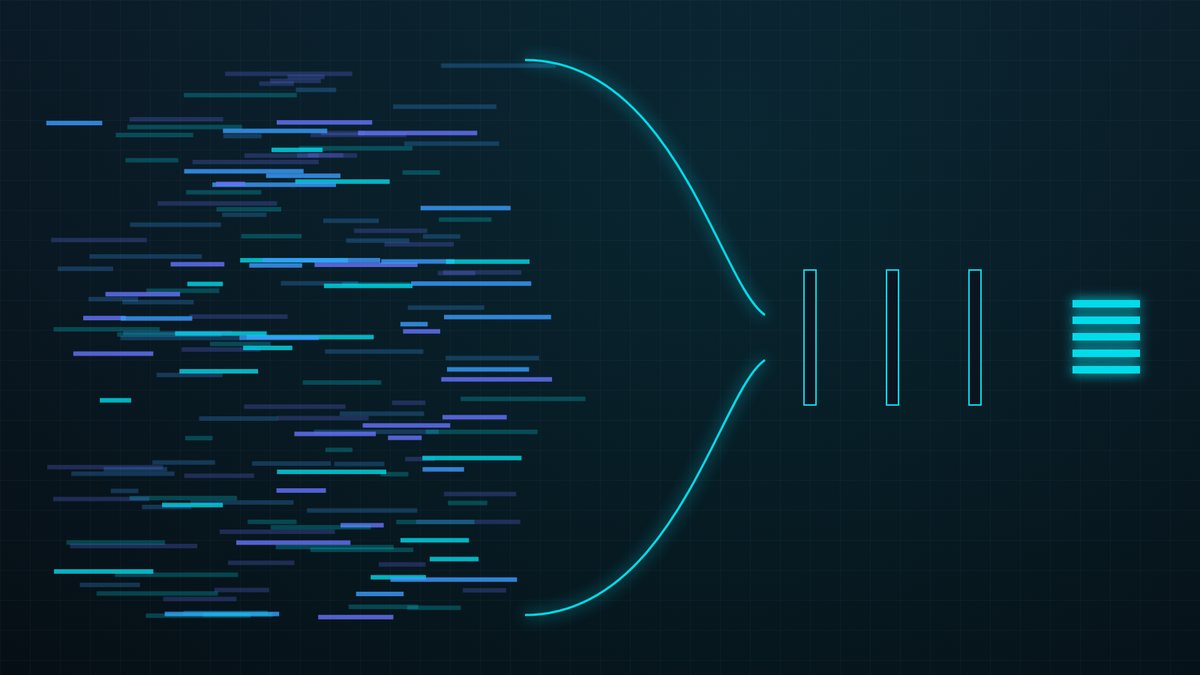
AI has changed how fast software gets written. It has not changed, nearly as much, how fast software gets shipped. For leaders planning a modernisation, the difference is where the real decisions sit.
The gains leak before release
A 2026 study of more than 100,000 developers on GitHub found that coding activity rose sharply with newer AI tools, while releases rose far less. The extra code is real. The extra working software is much smaller.
Upstream: discovery is the constraint
Source code shows what a system does, not why it does it. The business rules, the historical exceptions and the reasons behind odd-looking features live with the people who build and run the system. Capturing that knowledge, and choosing an architecture the organisation can maintain, is the highest-value work in any modernisation.
Downstream: review and integration are the constraint
Someone still has to confirm that new code behaves correctly, catch regressions and merge changes into a system that is already running. If review capacity does not grow with the volume of code, the bottleneck simply moves to review.
What leaders should do
- Invest in discovery before code generation starts. The quality of the specification sets the ceiling on everything that follows.
- Build review and integration capacity. Plan for the people and the checks that turn generated code into released software.
- Treat AI as one instrument, not the whole orchestra. It accelerates parts of the work. The outcome still depends on how the whole process is run.
This is the gap Paradym Next is built for: it applies AI to discovery, planning and review as well as to code, with people approving at each step.
See how Paradym Next could apply to a priority on your IT agenda.
Book now